
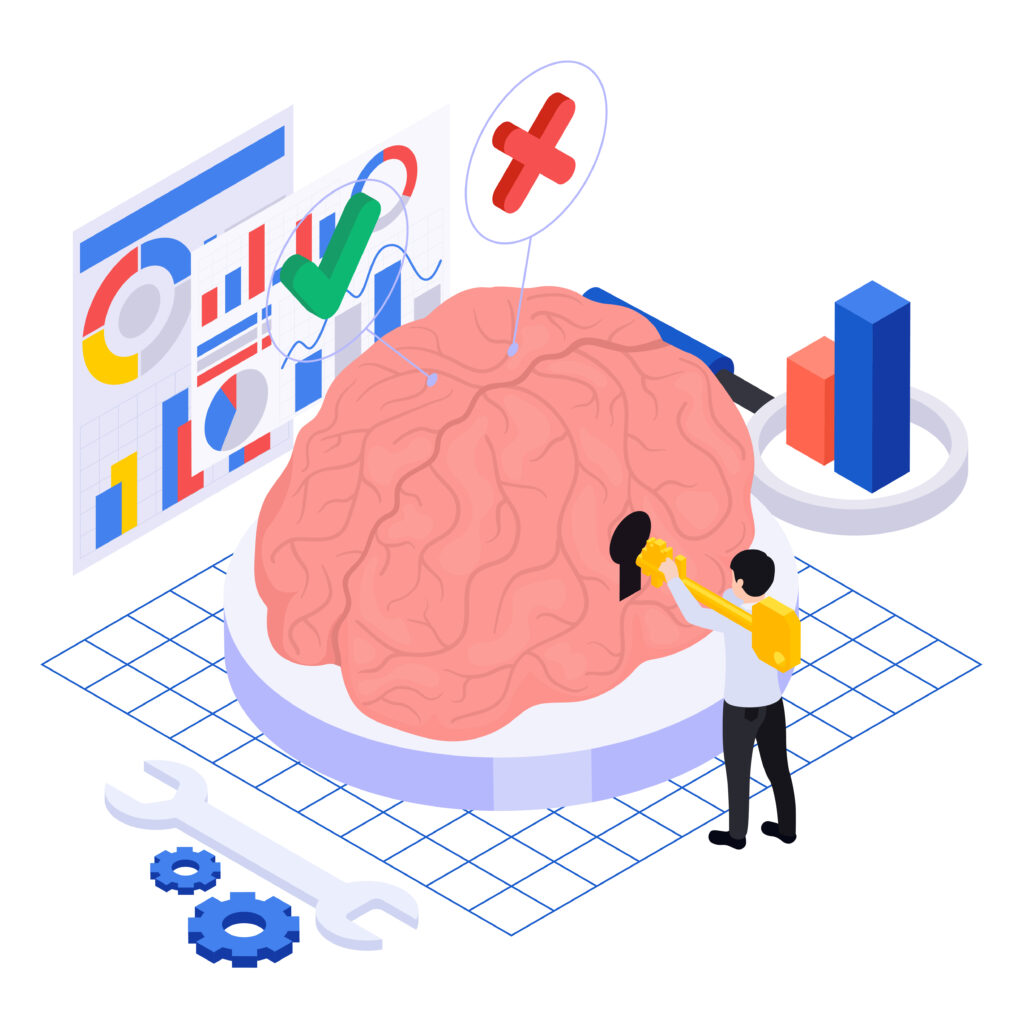
In today’s fast-paced world, cognitive abilities like memory retention and problem-solving are highly valued. Many people are seeking ways to enhance these mental faculties for personal and professional growth. One effective method that has gained popularity is regular mind training. This article explores how engaging in regular mind training exercises can significantly improve memory retention, enhance cognitive flexibility, and ultimately lead to better problem-solving abilities.
Mind training refers to a series of mental exercises designed to strengthen cognitive abilities, such as memory, focus, and problem-solving. These exercises can range from simple tasks like puzzles and memory games to more advanced practices like meditation and mindfulness techniques.
Memory retention is crucial for learning, recalling information, and making informed decisions. Cognitive flexibility, on the other hand, is the ability to adapt to new situations, think creatively, and consider multiple perspectives. Both these abilities play a significant role in problem-solving and decision-making processes. Be sure that Mind training benefits memory and problem-solving.
Memory is a complex process involving three main stages: encoding, storage, and retrieval. During encoding, information is converted into a format that the brain can store. Storage involves maintaining the information over time, and retrieval is the ability to access and use that information when needed.
Several factors can impact memory retention, including age, stress, sleep quality, and lifestyle choices. Fortunately, mind training can help mitigate the effects of these factors and improve memory performance.
Mind training exercises stimulate neural connections and promote neuroplasticity, the brain’s ability to reorganize and adapt. This leads to stronger neural pathways associated with memory, resulting in improved memory retention.
Cognitive flexibility involves being open to new ideas, adapting to change, and shifting between different tasks or concepts. It allows individuals to break free from rigid thought patterns and explore alternative solutions.
Problem-solving often requires thinking “outside the box.” Cognitive flexibility enables individuals to approach challenges creatively, explore diverse strategies, and find innovative solutions.
Mind training techniques such as brainstorming, lateral thinking exercises, and exposure to new experiences can enhance cognitive flexibility. These exercises encourage individuals to embrace uncertainty and explore novel possibilities.
Regular mind training can lead to improved problem-solving abilities due to the enhanced memory retention and cognitive flexibility it offers. A sharper mind enables individuals to identify patterns, analyze information effectively, and make well-informed decisions.
Mind training sharpens analytical thinking skills, allowing individuals to break down complex problems into manageable components. It also promotes focus and concentration, crucial elements in the problem-solving process.
Numerous individuals, from students to professionals, have reported significant improvements in their problem-solving abilities after incorporating mind training into their routines. These success stories highlight the effectiveness of consistent practice.
To reap the benefits of mind training, establishing a consistent routine is essential. Allocating specific times for mind training exercises each day can help form a habit and ensure long-term progress. Start Enhancing memory through mind training.
Different mind training exercises target various cognitive functions. Tailor the selection of exercises to focus on areas that need improvement, such as memory, attention, or problem-solving.
Mind training requires commitment and dedication. Setting achievable goals, tracking progress, and staying motivated are essential for maintaining consistency in practice.
Meditation is a powerful mind training technique that has been linked to various cognitive benefits. It promotes relaxation, reduces stress, and enhances overall brain function.
Different meditation practices, such as mindfulness meditation, loving-kindness meditation, and transcendental meditation, offer unique cognitive benefits. Incorporating a variety of meditation styles can further boost cognitive enhancement.
By combining mind training exercises with meditation, individuals can experience synergistic effects that lead to improved memory, cognitive flexibility, and problem-solving abilities.
Starting mind training at an early age can lay a strong foundation for cognitive development. Engaging children and adolescents in fun and interactive mind training activities can cultivate essential cognitive skills.
Mind training is beneficial at any age. For adults and seniors, mind training can help maintain cognitive abilities, reduce the risk of cognitive decline, and enhance overall brain health.
Adjusting mind training exercises to suit the cognitive abilities and preferences of different age groups ensures the most effective and enjoyable learning experience.
Consistent mind training contributes to better brain health and resilience, protecting against age-related cognitive decline and neurological disorders.
Through mind training, individuals can unlock their full cognitive potential, leading to improved memory, focus, creativity, and problem-solving skills.
Studies suggest that engaging in mind training throughout life can delay cognitive decline and improve the quality of life in later years.
Incorporating regular mind training into daily life offers a plethora of benefits. By enhancing memory retention, cognitive flexibility, and problem-solving abilities, individuals can unlock their full cognitive potential. Whether through meditation, brain exercises, or other mind training techniques, investing in cognitive development can lead to a more fulfilling and intellectually enriched life.
Absolutely! Mind training is suitable for people of all ages and backgrounds. It offers cognitive benefits for students, professionals, and individuals seeking personal growth.
Consistency is key. Aim to practice mind training exercises at least 20-30 minutes per day, but feel free to adjust the duration based on your schedule and preferences.
Yes, mind training, especially meditation, has been shown to reduce stress and promote relaxation.
No, there are no age restrictions. Mind training can be started at any age, and early engagement may provide even more significant long-term benefits.
Certainly! Combining various mind training techniques, such as brain exercises and meditation, can lead to synergistic effects and enhance overall cognitive development.